


Wisdom Teeth Extraction
Wisdom teeth can cause pain, crowding, or misalignment, affecting your oral health. At Riverside Dental, we provide safe and comfortable removal, ensuring a smooth procedure and proper aftercare. Our experienced team is here to help you recover quickly and maintain a healthy, pain-free smile.
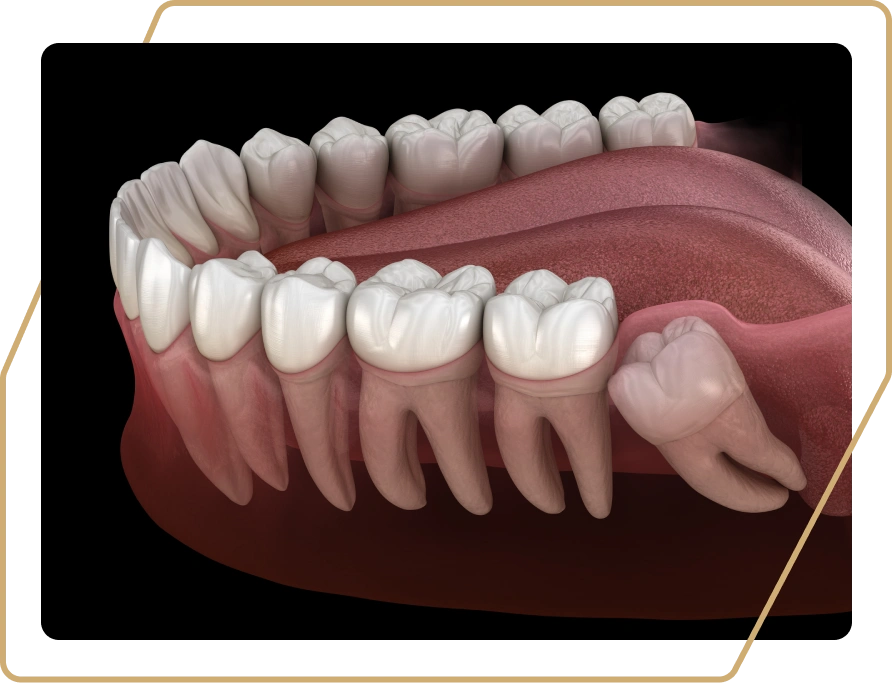
What Are Wisdom Teeth?
Wisdom teeth are the last set of molars, usually appearing between ages 17 and 25. While some people have healthy, properly aligned wisdom teeth, many experience misalignment or impaction due to reduced jaw size, which can cause pain, swelling, or dental crowding.
Book Online Now
Do All Wisdom Teeth Need Removal?
Not all wisdom teeth require extraction. Removal is usually recommended if they are impacted, misaligned, difficult to clean, or causing pain, infection, or damage to adjacent teeth. Healthy, fully erupted, properly aligned wisdom teeth may not need removal.
How to Know if Removal is Necessary
A dentist or oral surgeon evaluates your mouth using exams and X-rays. Common indicators for extraction include pain, infection, cyst formation, damage to nearby teeth, or gum disease.
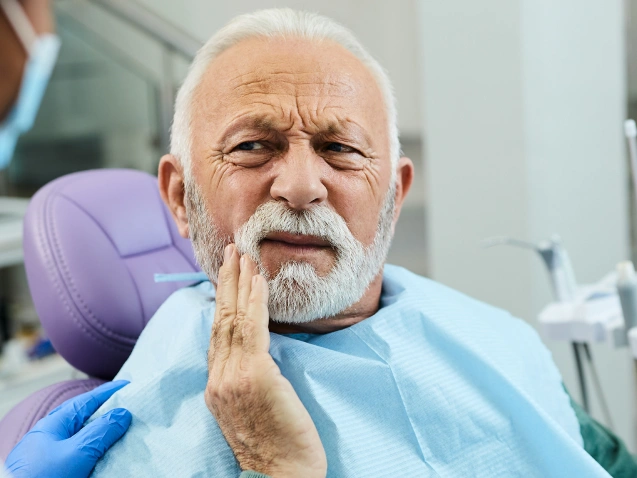
Find Out if You Qualify for Anchor Dental Implant Center Dental Implants in Less Than 2 Minutes.
What to Do After Wisdom Teeth Removal?
Proper post-extraction care is essential for a smooth recovery and to prevent complications such as infection or dry socket. Follow these steps carefully:
- Follow Your Dentist’s Instructions: Your dentist or oral surgeon will provide specific guidance tailored to your situation. Following these instructions ensures proper healing.
- Bite on Gauze: Immediately after surgery, gently bite on gauze pads to control bleeding and help form a stable blood clot at the extraction site. Replace gauze as instructed.
- Manage Swelling: Apply ice packs to the outside of your face intermittently (20 minutes on, 20 minutes off) for the first 24 hours to reduce swelling and discomfort.
- Eat Soft Foods: Stick to soft or liquid foods like yogurt, soup, and applesauce for the first few days. Avoid hard, crunchy, spicy, or hot foods that could irritate the extraction site.
- Avoid Straws and Smoking: Suction from straws and smoking can dislodge the blood clot, increasing the risk of dry socket. Avoid both for at least several days.
- Maintain Oral Hygiene: After 24 hours, gently rinse your mouth with warm salt water several times a day, especially after eating, to keep the area clean. Brush other teeth carefully to avoid disturbing the surgical site.
- Take Prescribed Medications: Follow your dentist’s recommendations for pain relief and antibiotics to manage discomfort and prevent infection.
- Monitor for Complications: Watch for signs of dry socket, persistent bleeding, swelling, or unusual pain. Contact your dentist immediately if you notice any concerning symptoms.
How Long Does It Take for Wisdom Teeth Holes to Heal?
- First Week: Blood clot forms in the socket; swelling and mild discomfort usually peak around day 2. Rest is crucial during this phase.
- 2–4 Weeks: Soft tissue gradually heals, and the extraction site begins to close. Careful oral hygiene is important during this period.
- 1–6 Months: The jawbone remodels and fills in the empty socket over several months.
- 6–12 Months: Complete bone healing may take up to a year, though most patients feel fully recovered within a few months.
Following these steps and attending all recommended follow-up appointments ensures a faster, smoother recovery and reduces the risk of complications.
Frequently Asked Questions

Why Choose Us
At Anchor Dental Implant Center, we do more than restore smiles — we help renew the confidence and positivity of the people behind them.
Why Anchor Dental Implants

Real Reviews
Hear directly from Anchor Dental Implant Center patients—watch and read about their experiences and what you can expect from this life-changing procedure.
See More Reviews
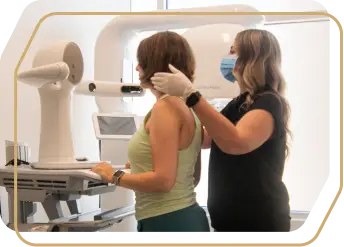
Procedure Cost
Take advantage of our special pricing on single or double zirconia arches—affordable, high-quality dental care designed to help you save.
Get Offer Now
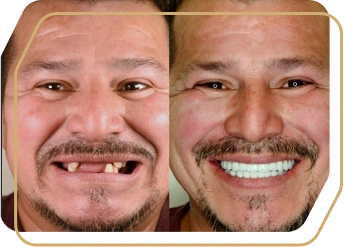
Smile Gallery
Explore before-and-after photos of Anchor Dental Implant Center patients and witness the amazing transformations made possible by this groundbreaking implant procedure.
See Transformations